
Illuminating energy data with organisational context using ontologies
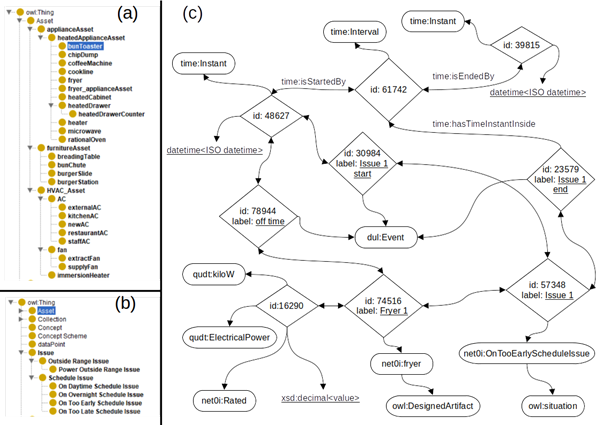 Energy and building dashboards are often decontextualised from the context and strategies of organisations. We advocate an approach of recording and taxonomising building and energy data with ontologies to link related information about buildings and energy to organisations and context. This approach connects a range of data (e.g., time-series, meta data) together with qualitative context about organisational operations to help stakeholders better context often decontextualised building or energy data with events and systems behaviours.
Our approach champions machine readable and standardised qualitative contextual data to supplement data ontologies about buildings and energy. Such context helps label behaviours and dynamics of systems, better contextualising known patterns or anomalies, and target better systemic interventions to reduce energy consumption and costs whilst keeping an organisation operating optimally.
Designing with problematic data and conflicting stakeholder requirement
When working with complicated estates it’s not uncommon to have access to be designing dashboards that utilise large volumes of high frequency data. Our range of strategies can help you delivering a successful dashboard design project: 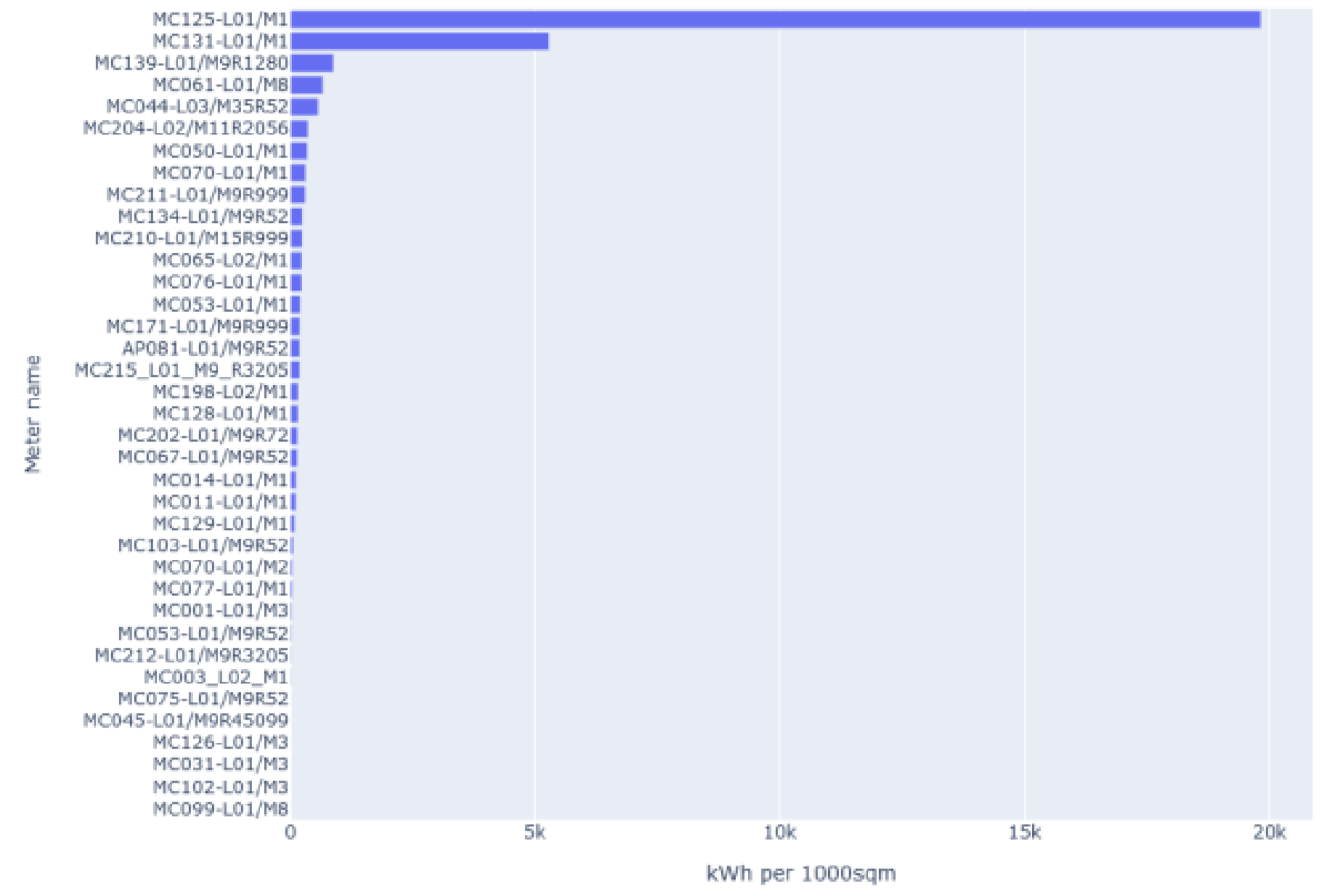
- BAU before blue skies. Designing for business as usual requirements (e.g., keeping the lights on) before attempting to design for reactive asks or nice to haves. The goal is designing services that help them with business-as-usual decision support. Prioritise your design decisions around their everyday work.
- Validated requirements, not vibes. Stakeholders might have urgent priorities that can lead to asking for features that look great in a demos leading you away from real problems. Design iteratively and validate your requirements with user research about their working needs (e.g., contextual enquiry). Prioritise requirements with stakeholders to help focus your designs.
- Dummy and untreated data can be distracting. Synthetic data leads to synthetic results, so try and use real data wherever possible Stakeholders will get distracted from the design if their focus is drawn to data quality e.g., outliers, errors in the data. Use cleaned sub sets of your real-world data in stakeholder workshops to help focus the limited time you have with them on getting into the detail of their needs.
Designing for aging building management systems and computationally intensive work environments
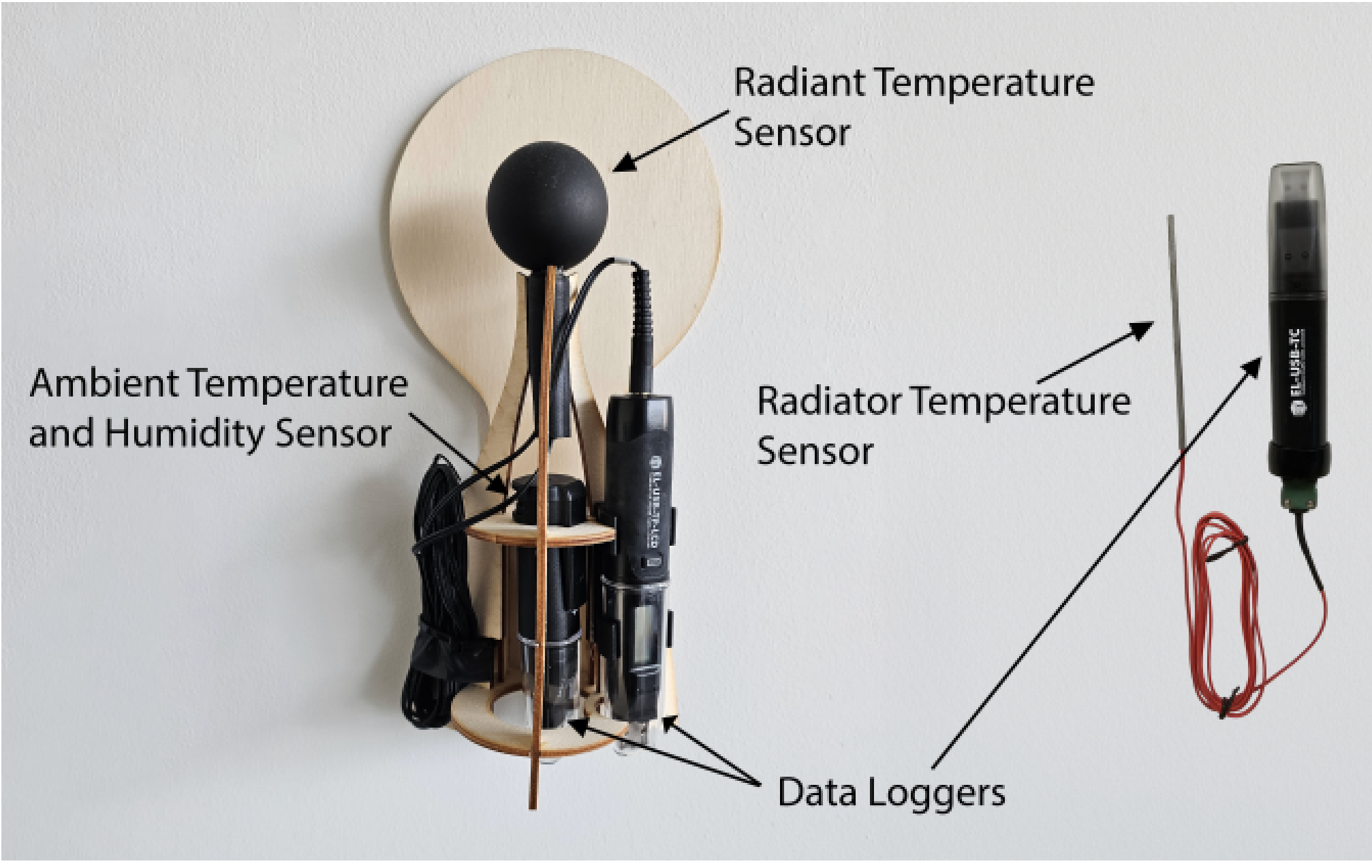 Heating and cooling of buildings is one of the largest single uses of energy which in most countries is powered by oil or gas. Much of the built environment we need to decarbonise by 2050 is already built meaning that adapting this infrastructure will be disruptive and expensive. The main current approach to limiting this consumption is to try to design digital interventions to tightly control the indoor conditions to target a given setpoint temperature. Through a year-long study of the actual thermal performance of a large non-domestic building we find that there are three significant gaps to design for:
- Design occupant-facing information
- Revalidate assumptions about “ground truths” about user controls and aging building management systems
- Forecasting interventions and new controls are needed to limit overheating in climate change futures
The design of buildings services should consider flexibility and adaptivity in both the policy and and how buildings are digitally controlled to address these gaps.
Designing digital services for building systems using participatory approaches
Designing for building and energy management needs to adopt participatory, systemic and sociotechnical approaches to help evolve our existing built infrastructures as buildings grow increasingly complex and digitally enabled. We encourage the design and implementation of systems that uses participatory and co-creation processes to more deeply involve users in the development of building technology working towards sustainable goals, and less characterisation of them as maligned actors and users within such systems. Critical to this is wider dialogue with organisational policy and strategic decision makers to consider the true effectiveness and limitations to purely digital solutions in this domain.